Furnace Installation Denver
Precision heating replacements calibrated for Denver’s high altitude and engineered to slash your monthly utility bills

Advanced heating compliance and expert furnace installation Denver
Surviving a brutal winter freeze in the Mile High City requires a completely dependable heating system. However, Denver homes often rely on aging equipment that slowly degrades, driving up energy bills and presenting serious health and safety concerns. For instance, old furnaces can pose safety risks like carbon monoxide leaks, cracked heat exchangers, or restricted exhaust flow. Eventually, the cost of repairing an outdated gas furnace will outweigh the investment in a modern upgrade.What’s more, Denver’s climate solutions have become heavily regulated: new state climate codes mean that traditional, standard-efficiency equipment is being phased out, leaving homeowners to navigate limited product inventory and complex mechanical requirements.
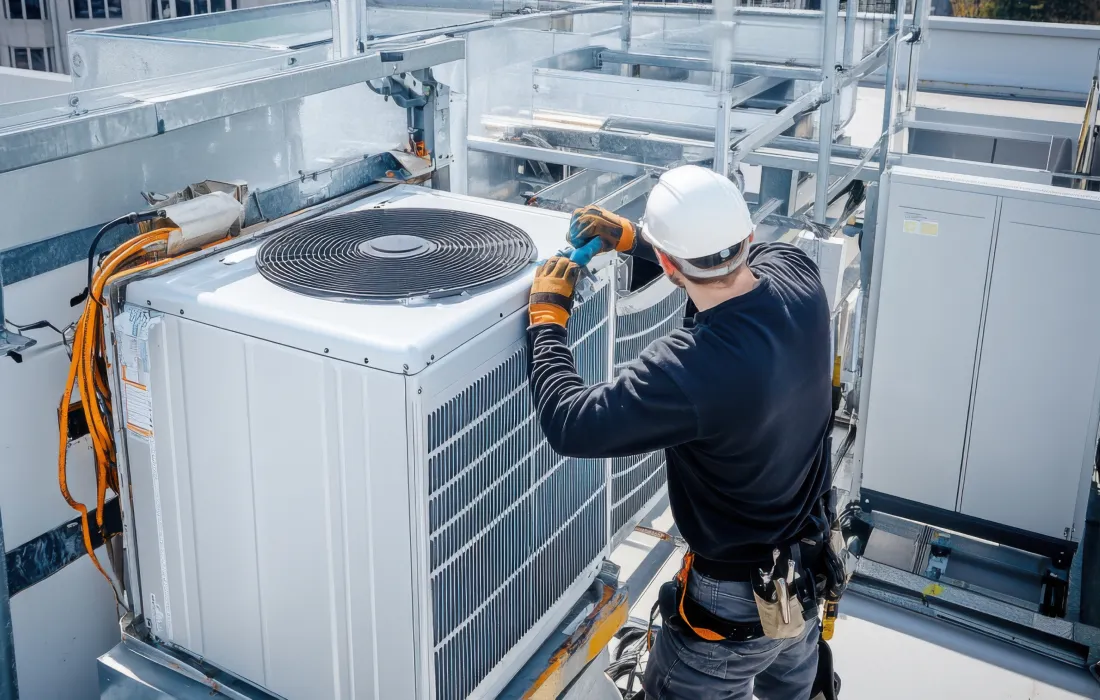
Certified Comfort delivers honest, highly technical Denver furnace installations. Our operators execute accurate structural calculations to evaluate your home’s actual thermal load, selecting the exact furnace size measured in BTUs to prevent short-cycling. We handle the entire furnace replacement process, from pulling the required local mechanical permit to adjusting your system’s gas manifold pressure for optimal combustion. We also provide flexible financing options and clear, upfront contract guarantees, ensuring you secure long-term energy savings and total winter safety without hidden fees.

The technical and operational benefits of our local expertise
Upgrading your home’s central climate infrastructure should be an entirely transparent, professional process. Here is how our team protects your investment:

High-altitude technical calibration
We fine-tune your new gas-to-air combustion mixture to specifically account for Denver's 5,280-foot elevation, preventing soot buildup and maximizing component lifespan.

Non-commission diagnostic integrity
Our operators are paid to install the ideal equipment size and design for your household, never to push unnecessary add-ons or chase equipment markups.

Strict legal permit adherence
We handle all the required structural documentation, mechanical safety permits, and local code filings to guarantee a fully approved, code-compliant installation.

Immaculate residential safety habits
We protect your home with heavy floor cloths, wear clean shoe covers, and conduct full safety checks before we leave the site.
Frequently asked questions
Why is professional air conditioning installation important, and what steps are involved in the process?
A professional cooling upgrade is a major project that will affect your property’s safety, efficiency, and airflow for years to come. When a central system is thrown in by uncertified laborers, critical scientific steps such as static pressure duct mapping, physical lineset insulation, and complete electrical load calculations are omitted. This can result in frozen evaporator coils, a noisy, short-cycling compressor, and high energy bills that erase the benefits of a new unit.
A meticulous installation follows a precise multipoint checklist to protect your home. Certified Comfort uses advanced property-scanning and load-analysis technology on most replacement projects to support proper equipment sizing and reduce guesswork. Final equipment selection may be contingent upon completing the in-home assessment.
How can I locate and screen reliable HVAC services for a cooling installation in my area?
It is wise to check local historical roots; established businesses with long-term local reviews provide proof of quality local care. NATE-certified technicians who provide honest assessments and optimized system installations without high-pressure sales tactics are a huge plus.
What are the real costs associated with an air conditioning installation, and what main factors affect the pricing?
Full HVAC system installations vary depending on the size of your home and the efficiency tier of the equipment you select.
The primary factors that drive the total cost of your project include:
- The cooling capacity required: Proper unit sizing is critical for ensuring you do not invest in an oversized or undersized unit.
- The efficiency tier selected: Energy efficiency is measured by the SEER rating. High-efficiency units cost more upfront than standard models but use significantly less power, leading to lower monthly energy bills.
- Ductwork conditions: Older homes may have leaky or improperly sized ductwork.
- Electrical infrastructure: Upgrading an outdated electric panel to support modern, high-efficiency units safely is recommended.
When should I choose to fully replace my home's furnace instead of paying for another mechanical repair?
Knowing when to stop investing money into an aging heating system is crucial for avoiding a sudden heating emergency in the dead of winter. As a general industry rule, you should plan to replace your furnace if it’s over 15 years old, as most residential gas furnaces last 15 to 20 years with regular maintenance. If you’re facing multiple repairs over a few seasons, and the total cost is more than a third of the price of a new furnace, it’s financially smarter to replace it.
Upgrading an old system offers immediate, substantial improvements in safety and operational costs. Modern furnaces provide improved energy efficiency and safety features, including sealed combustion and advanced automated limit switches.
Secure your winter home comfort today
Investing in a modern, energy-efficient heating upgrade is the single most effective way to eliminate cold indoor drafts and take control of your monthly energy costs. Our expert team is ready to evaluate your situation, outline your equipment options, and build an honest solution tailored to your layout and budget.
Full-spectrum solutions for your home comfort
We offer a complete range of services to keep both your cooling and heating systems running smoothly through every season.
Heating Services
Advanced heating solutions to keep your home a fortress against the Colorado cold
Cooling Services
High-performance air conditioning solutions to keep your interior environment perfectly controlled
Heat Pumps
Indoor Air Quality (IAQ)
Tailored solutions that clean and balance the air your family breathes every day